
What does the Netflix X Warner Bros. Deal Mean for Movie Enthusiasts?
Natasha Charles
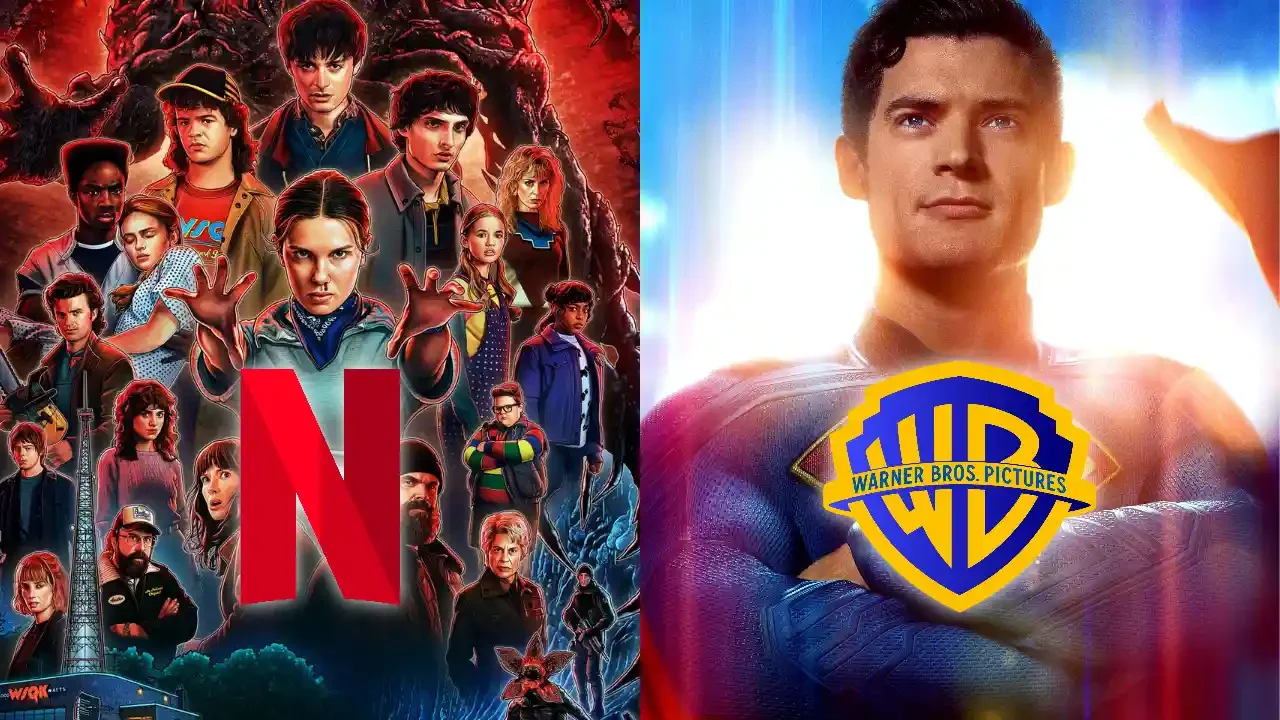
Much to viewers’ disdain, Netflix is all set to acquire Warner Bros., the long-standing, renowned creators of cinematic masterpieces, the ones who own popular franchises like Harry Potter and Game of Thrones. Netflix is calling this deal as one that helps “define the next century of storytelling,” by making all WB’s and Netflix’s respective creations available in one place. So, why are viewers unhappy? This article seeks to unpack the very question.
Tom Harrington, the ‘head of television’ at Enders Analysis says: “the greater penetration of Netflix households would likely mean an increase in total overall subscription revenues.” Even though Netflix has promised that WB films would still be released on the big screen, carrying forward this promise is essential. Otherwise, there can be a substantial increase in subscription prices for the streaming platform.
The CEO of Cinema United told Variety that “Netflix's stated business model does not support theatrical exhibition.” It is well-known that Netflix reserves movie screenings to very exclusive ones like Frankenstein or Stranger Things’ Finale, so the Warner Bros films may likely encounter the same fate. Waiting for a movie to hit the streaming service in a couple of weeks and not wanting to watch it in the cinema is a choice many are going to inevitably make.
A major fear voiced out by US politicians and Hollywood as a whole: Netflix could just become too powerful following this deal. While Netflix by itself is what some would call a ‘streaming giant’ with the vast scale they operate in, the combination encompassing Warner Bros. (and hence HBO, HBO Max), pushes forth a monopoly many consider to be unfair. Especially from the workers point of view (also including the writers and artists), this deal comes off as unethical. The Writers Guild of America released a statement where they state, “The outcome would eliminate jobs, push down wages, worsen conditions for all entertainment workers, raise prices for consumers, and reduce the volume and diversity of content for all viewers.”
Amidst this, social media is having its own speculations. The Instagram users are calling December 5, 2025 (the day Netflix announced the deal) to be the day “cinema died.” One other thing I unfortunately happened to notice is the homophobic comments reacting to the deal saying something like, “Batman’s gonna be gay in the next movie.” While Netflix is infamous for its misrepresentation of queer characters (see season 5, episode 7 of Stranger Things), and forcing queer identities onto characters out of nowhere, Netflix has also brought many brilliant LGBTQIA+ stories to mainstream media and popularised a wide range of gender and sexual identities through shows like Heartstopper.
With all the information we know right now, the cinema-going culture’s demise may be closer than expected. This monopolistic, unethical trade deal has created fears in cinema-lovers across the globe, although there is still time before they fully surface to life. The Netflix X Warner Bros. deal may alter the entire cinema experience, can cause a general ultimate acceptance among the public, or may just leave a repugnant taste forever. Apart from this, till date, we are still in the grey area of speculation regarding what can this actually mean?