
‘Starved for Technicolour Up There’: Giving Ten Colourful Films Their Flowers
Olivia Hendry
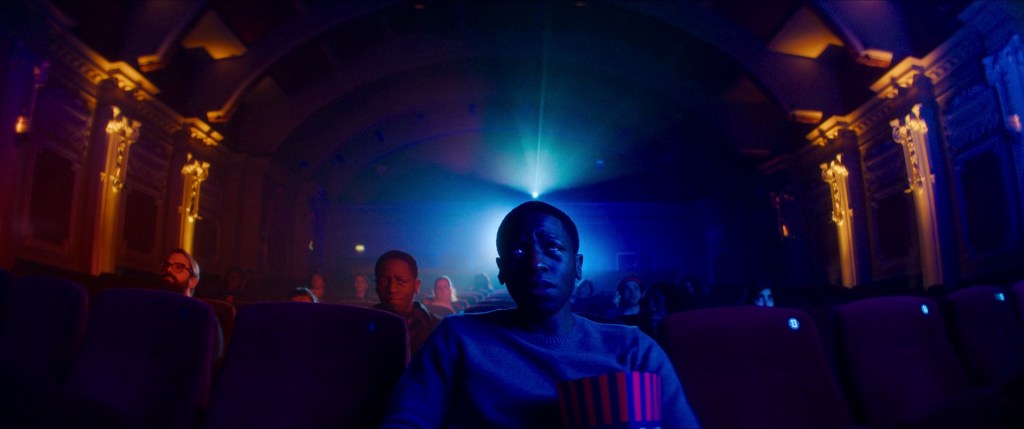
An issue that was brought to the forefront of film discourse in 2025 was the noticeable lack of vibrancy in recent films. Whilst the past few years have seen plenty of promising multi-million-dollar releases, many of these films have been accused of looking dull, sludgy and underwhelming, particularly considering the massive crews and budgets behind them. The most infamous culprits have been Wicked and Wicked: For Good; many were disappointed by the Wicked franchise’s washed-out colour grading, which didn’t quite live up to the fantastical legacy of The Wizard of Oz, the technicolour masterwork Wicked serves as a prequel to.
In the past, movie musicals were the most experimental when it came to production design and colour, going beyond the parameters of realism. Aesthetic trends in cinema come and go, but many have put the disappearance of vibrancy onscreen down to digital technology’s dominance over modern filmmaking. In contrast to film cameras, digital cameras can work well in low lighting, leading filmmakers to take advantage of this quality and include more dimly lit scenes. Additionally, with the rise in digital technology in the film industry came the widespread use of Look-Up Tables, otherwise known as LUTs- put simply, these act relatively like an Instagram filter, but for film. LUTs can be used to great effect; they were first used for the film O Brother Where Art Thou, released in 2000, which has a distinctly desaturated, sepia-toned visual aesthetic. However, now ubiquitous in the filmmaking process, some suggest LUTs skip over the more fine-detail colour grading that is necessary no matter the format.
Rather than bemoaning the decline of bright colours in film, I want to recommend some under-appreciated films that use colour in a distinct and playful manner. Whilst these films may be visually stunning, the colours are just an aid in the creation of memorable stories and characters, all of whom are as vibrant as their costumes.
1. Blithe Spirit (1945, dir. David Lean)
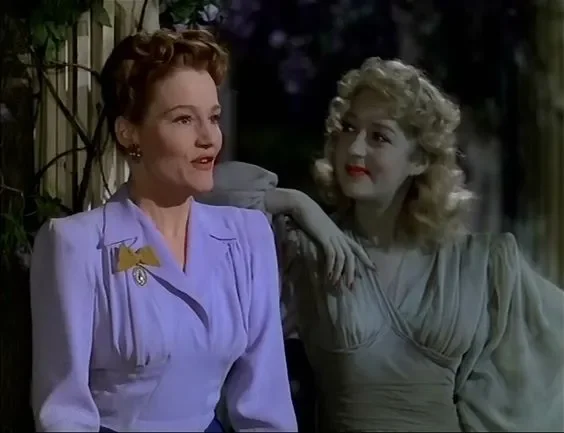
As far as I know, Blithe Spirit is one of the few films to take advantage of the wonders of Technicolour by painting a character entirely green. Based on the Noel Coward play, which blends screwball with the supernatural, the film centres on an awkward situation in which a man’s deceased ex-wife is brought back as a spirit via séance. Though it is not regarded as one of director David Lean’s best works, Blithe Spirit definitely has its charms and is a great introduction to Noel Coward and his sensibilities as a writer.
2. Volver (2006, dir. Pedro Almodóvar)

Similarly to Blithe Spirit, Volver is about loved ones coming back from the dead. Known for his rich, colourful compositions and melodramatic stories, Spanish director Pedro Almodóvar often focuses exclusively on female characters, and Volver is no exception to this. The film stars Penélope Cruz in the role of a resilient mother, Raimunda, and Lola Dueñas is memorable as her loyal sister Sole.
3. Letter to Brezhnev (1985, dir. Chris Bernard)
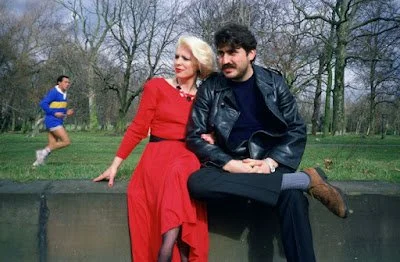
Film critic Roger Ebert described Letter to Brezhnev perfectly when he stated that it was ‘about a brave new tradition in British filmmaking, in which the heroes are ordinary people, seen with love’. It’s about two working-class women who go on a night out in their hometown of Liverpool and meet a pair of Russian sailors, featuring scenes shot on location in a fluorescent-lit nightclub and some bold 80s fashion.
4. New York, New York (1977, dir. Martin Scorsese)
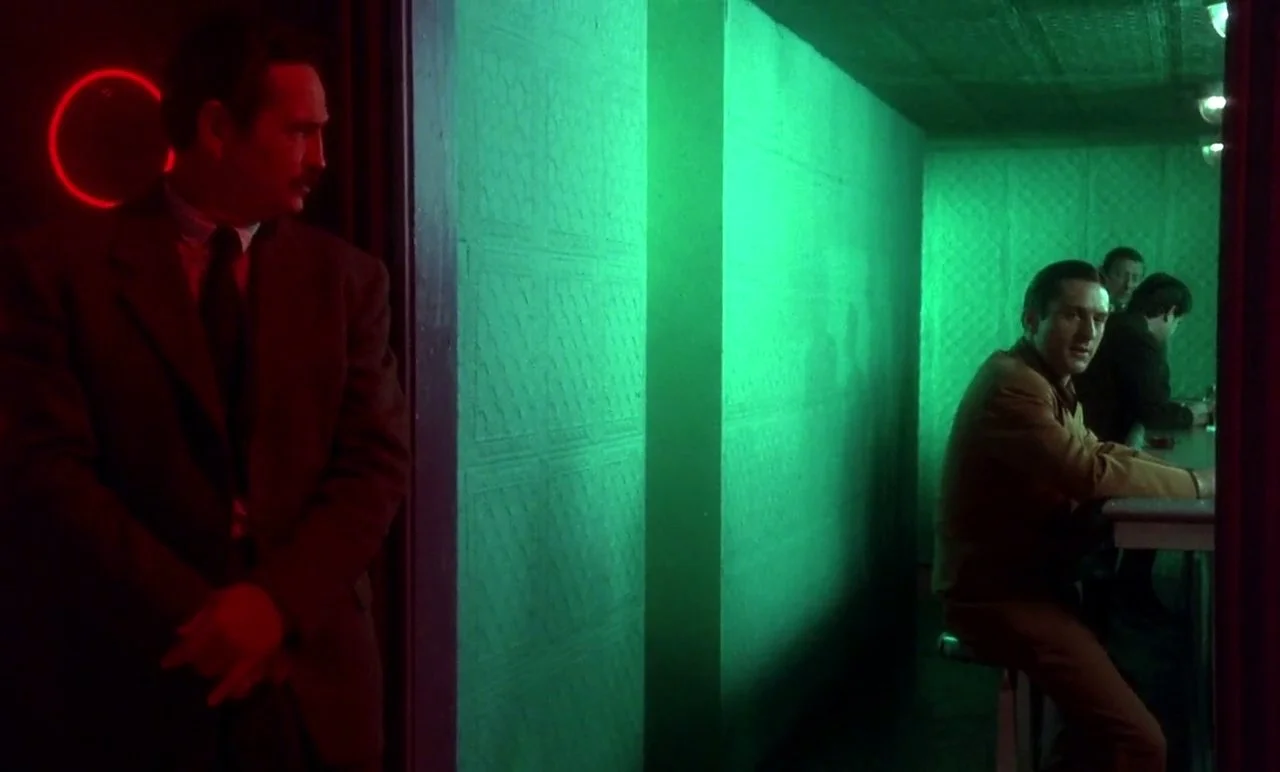
Best known for his gangster flicks, in 1977, Martin Scorsese created a film with the grit of Mean Streets and the style of Golden Age Hollywood musical; the result is New York, New York. Despite the legendary lead actors (Robert De Niro and Liza Minelli), impressive production design and iconic soundtrack, this is one of the lesser-known entries in Scorsese’s filmography. However, the theatricality of New York, New York makes it stand out amongst others and gives Scorsese leeway to indulge in one of his favourite things: lots of red lighting.
5. Hail, Caesar! (2016, dir. Joel and Ethan Coen)

Similarly to Scorsese’s approach with New York, New York, the Coen Brothers wanted to pay homage to Old Hollywood with their 2016 film Hail, Caesar. The narrative centres on Eddie Mannix (Josh Brolin), the head of production at a Hollywood studio, who must smooth out various issues on the sets of various made-up films, all spoofs of famous films from the era. The Technicolour look is mimicked expertly, making it one of the closest recreations of the now defunct colour process.
6. Rye Lane (2023, dir. Raine Allen-Miller)
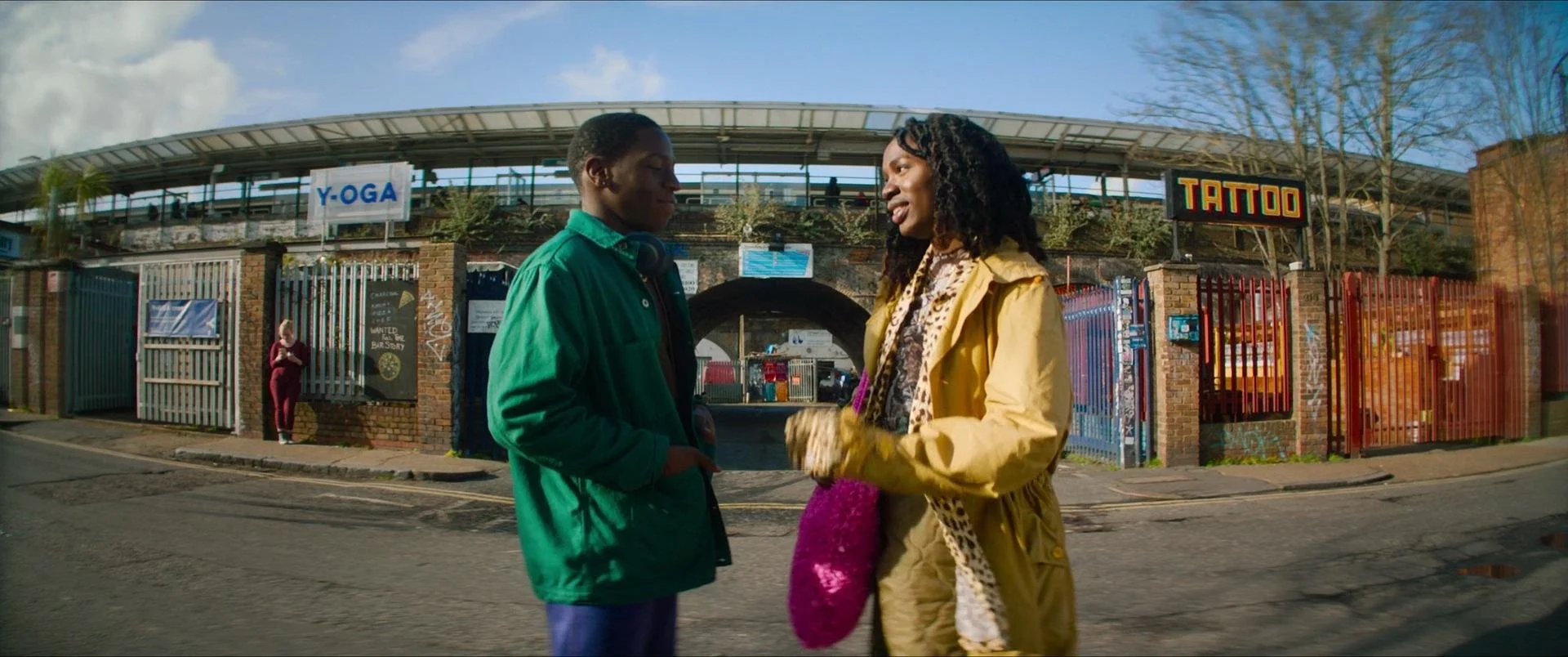
Raine Allen-Miller's first feature film Rye Lane made waves when it premiered at Sundance Film Festival in 2023, and it’s easy to see why. Much of the film takes place over one day, offering a fresh slant on the comforting yet repetitive rom com formula. The strangers at the centre of the narrative, Dom (David Jonsson) and Yas (Vivian Oprah), get to know each other through a meandering journey around South London; though awkward at first, their chemistry is obvious. The extreme wide lens makes for a distinctly cool look and aids in the creation of a romance that feels refreshingly grounded in the ‘real world’.
7. Down with Love (2003, dir. Peyton Reed)
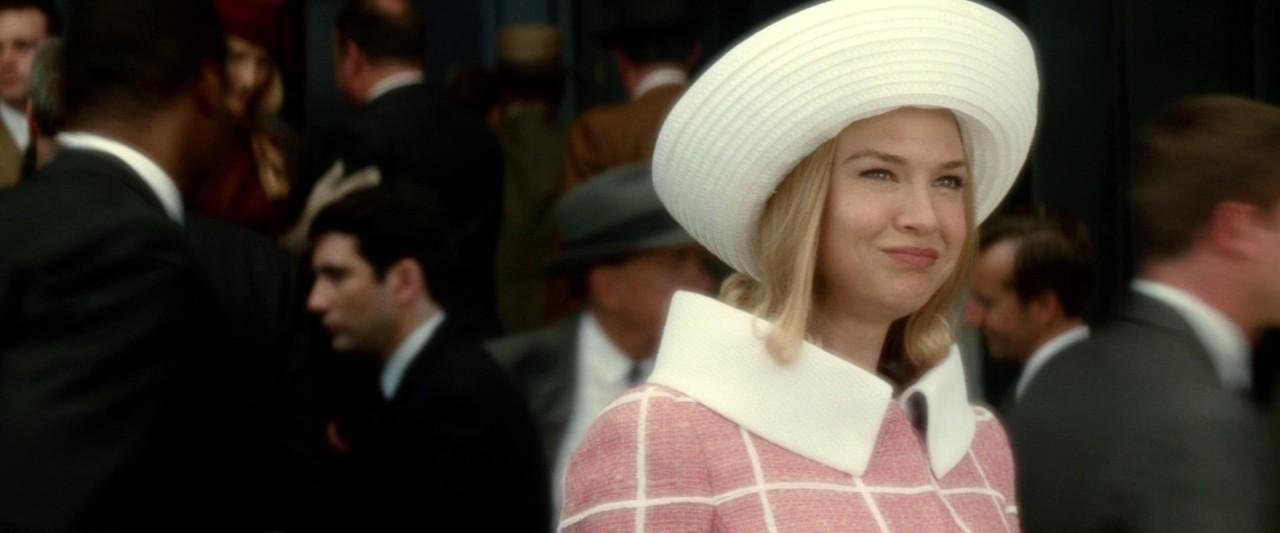
It is a mystery that Down with Love wasn’t more popular, with the film performing disappointingly at the box office, despite being released right in the rom com’s early 2000s heyday. However, with a 1960s setting, its campy visuals and deft awareness of gender roles in dating has drawn in many fans who have rectified Down with Love’s legacy. In a 2023 article for Letterboxd’s newsletter, Mia Lee Vicino argues that the film’s aesthetic is ‘intentionally artificial and hyper-stylised- a nod to the still-burgeoning visual effects of that time period and a signpost that this feminist fantasy does not take place in reality’.
8. See How They Run (2022, dir. Tom George)

Followers of the Knives Out series will likely enjoy See How They Run, a vintage murder mystery set in London’s West End. Saoirse Ronan steals the show in a very rare comedic performance for her, and Harris Dickinson also brings a great Richard Attenborough impression to the table. However, the most notable aspect of the film is its stylistic flair, manifesting in everything from the detailed production and costume design to the light-hearted, self-referential humour, which can be difficult to do right.
9. What’s Up Doc? (1972, dir. Peter Bogdanovich)
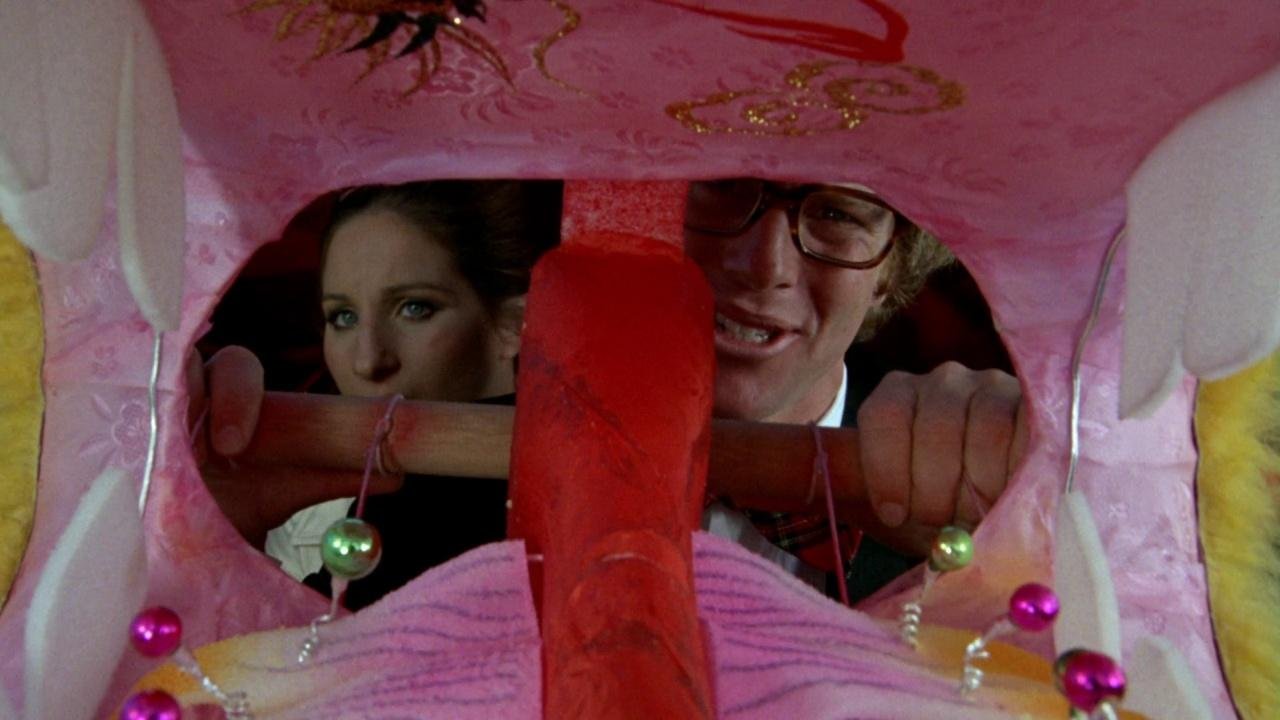
Where to even begin when attempting to explain the ridiculously contrived plot of What’s Up Doc, an out-of-its-time screwball farce. With many references to Looney Tunes, the films earnestly goes for a cartoonish style that works perfectly. For context: the image above depicts the two main characters, played by Barbara Streisand and Ryan O’Neal, stuck in a Chinese dragon, just one of many shenanigans the pair get into throughout the film.
10. A Matter of Life and Death (1949, dir. Michael Powell and Emeric Pressburger)
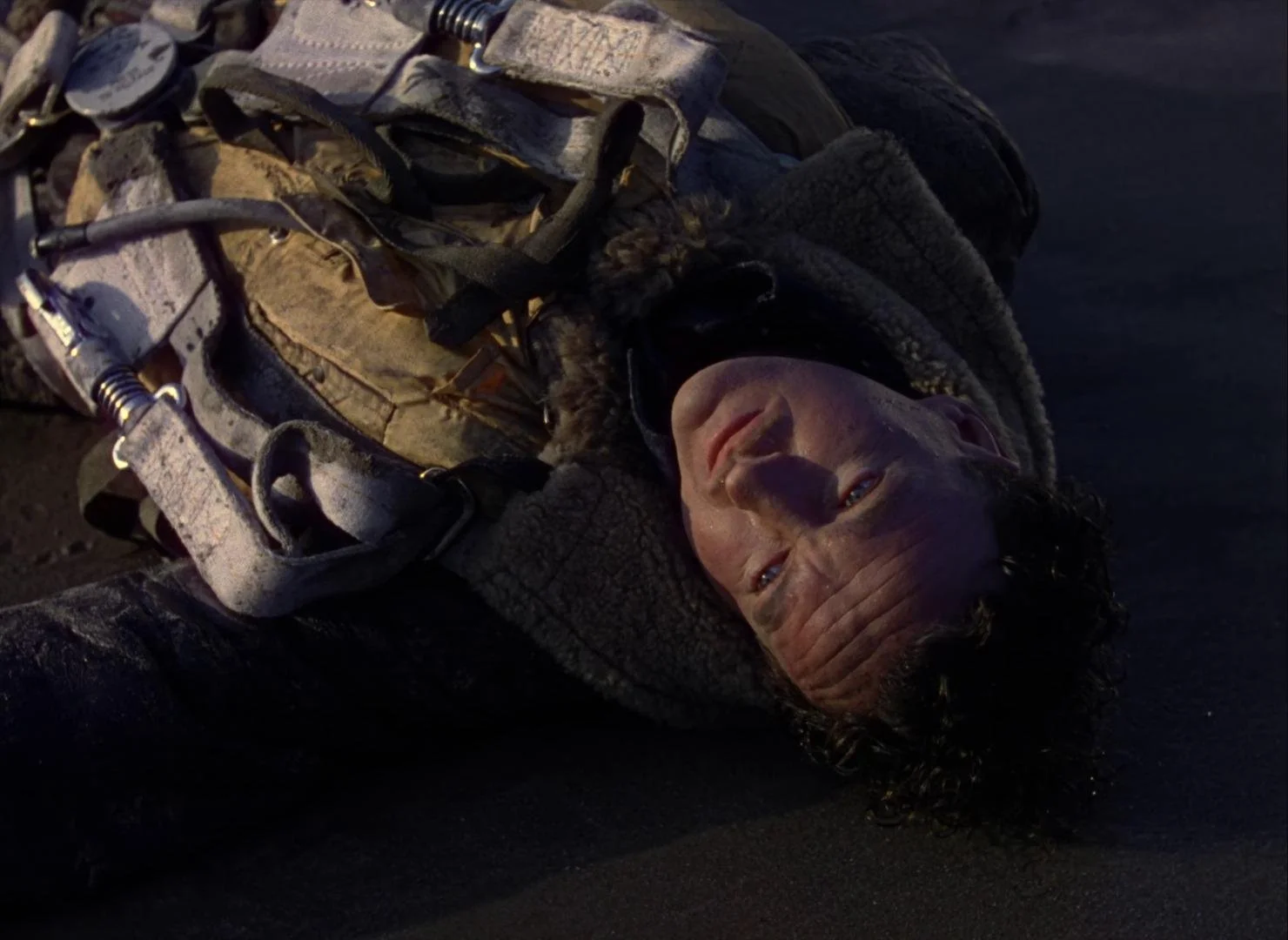
Perhaps the most visually breathtaking film on this list, A Matter of Life and Death is odd yet beautiful. Written, produced and directed by the cult filmmaking duo Powell and Pressburger, it proceeds with a British pilot in WW2 who narrowly escapes death, and the surreal events that follow. Whilst scenes in the film’s imagined afterlife are in black and white, life on Earth is in Technicolour, acting as a tribute to its beauty. There is even a very meta in-film reference to its own colour process, in Marius Goring’s line: ‘one is starved for Technicolour up there’.